
June
Blog 2026
On a day-to-day basis, the stock market is always right. My job is to try to forecast where the market is likely to be in 3 months, 6 months, a year, and so on. At the beginning of this year, I predicted that the U.S. stock market would most likely be trading at all-time highs as we entered the summer. There are so many variables that no one can predict, such as war, high-interest rates, and high energy prices. All of which have happened since January. My premise was that the momentum would continue higher as U.S. investors benefited from new tax legislation. Whether this thesis is correct or not, we are near the top of the mountain.
As I stated in last month’s blog, “Is There Still Room for More Upside? “I expect the S&P (7473) is fair to overvalued at this point of the investment cycle. During the last month, the S&P 500 did test my Initial Support Level of 7200, partly reacting to the Iranian war. Recent strength is mostly due to the anticipation that the conflict will become a Cold War over the next 60 days. The momentum could continue to test Stratos’s Primary Target of 7792. I would not be surprised. However, in my March blog “Will a New War Lift U.S. Stocks to New Highs?”, I stated “If the Strait of Hormuz were to be blocked for an indefinite amount of time, U.S. stocks could test my Intermediate Support of 6421 in the S&P 500.” On March 27th, when it traded under my Support Level for two trading days, U.S. stocks have mostly gone up five steps according to Stratos’s Step Theory. After such technical strength, a 2-4 step pullback is normal and something I am now anticipating over the next six months, potentially testing my Primary Support Level of 6601.
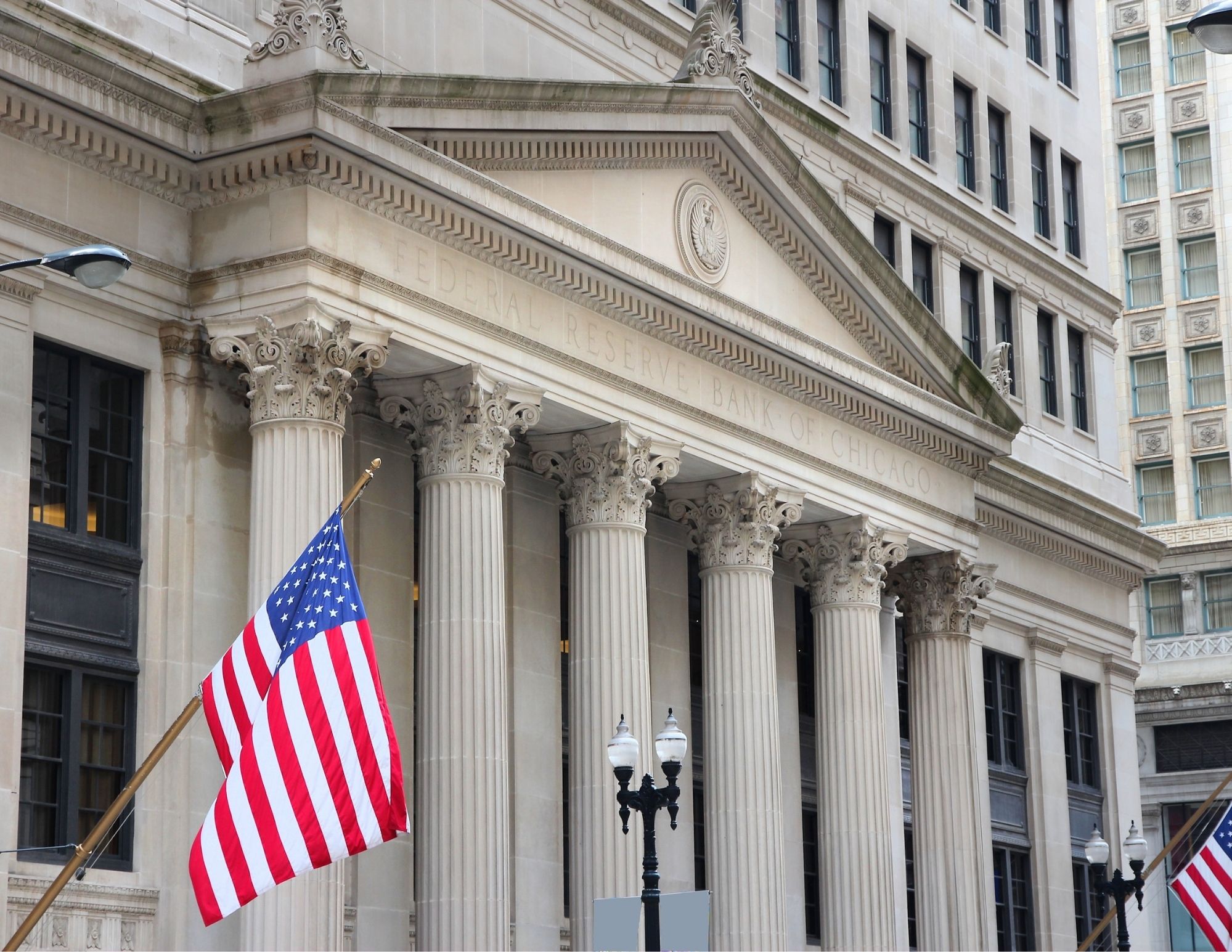
The credibility of the Federal Reserve Bank to be independent is one major foundation to the U.S. stock market. The new Fed chair is in a difficult position as recent inflation indicators have pointed to increased inflation above their target of 2-3% (Source: Trading Economics. Trading estimate at 4.2% as of May 2026 for the U.S. economy). Fed independence is very important but may be compromised.
All indications point towards political pressure for lower interest rates. Most experts are calling for at least one rate increase before the end of the year based on mostly higher energy costs. With the market near record highs, strong employment, the dollar needing support, and inflation above their target, there really is no reason to cut short-term rates. I am expecting a rate cut before the end of the year or two, which could be a long-term problem for U.S. stocks. We just have to wait and see.
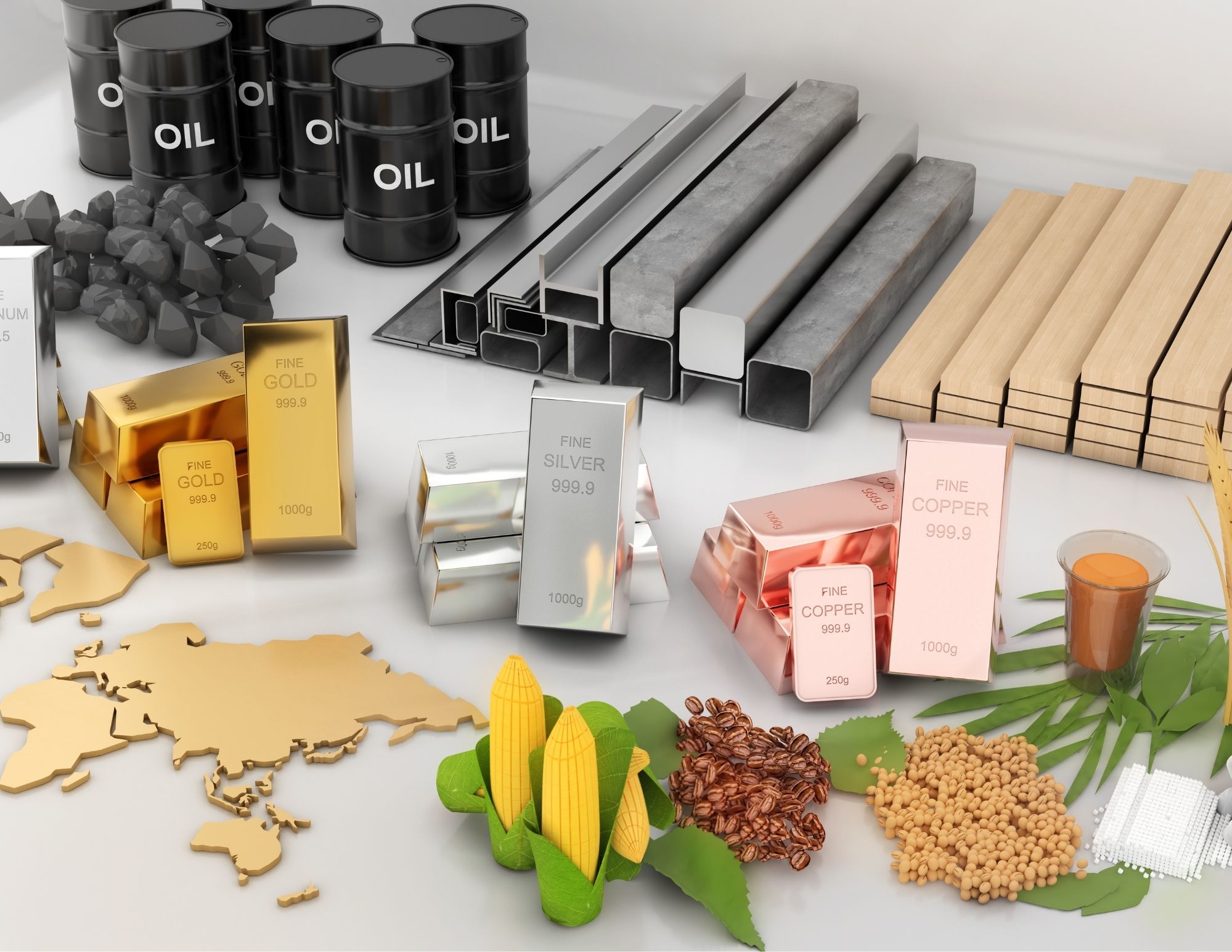
Commodity prices have been mostly lower over the past few months. Oil prices are now trading in my lower range of $70-$90 ($74). It’s going to take many months for supply disruption to be absorbed and I’m anticipating higher prices as consumption demands increase. Just because the Strait of Hormuz may be open soon, it would take weeks for the oil to get to its initial destination, and it’s questionable if they’re coming back to the potentially same issue that has cost severe pain for their business. The energy sector seems to be more fragile than before the Iranian war, and a premium will most likely continue.
After an extremely strong 2025, gold and silver have entered a bear market correction down over 20% from this year’s all-time highs and are now more likely to move higher for the remainder of the year. This correction is normal after such a strong move up which started from 2025 (Source: Kitco News: Gold and Silver Face Medium-Term Pressure from Hawkish Fed, Iran-U.S. Deal–Heraeus). Agricultural prices continue to trade in the lower range (Source: Yahoo Finance- Trump’s Trade War Caused a $15 Billion Decline in U.S. Farm Sales to China). I’m expecting a breakout as demand should increase, and the price will go up based on increased costs associated with higher fertilizer and food inflation. Over the next 3-5 years, I’m expecting all three sectors within commodities to move higher. I am also anticipating the U.S. dollar to start weakening as the Iranian war becomes less of a concern.
I expect interest rates to continue higher and, eventually, have a negative effect on the U.S. economy. After such a major advance since April of 2025 in the S&P 500, I believe a technical correction is overdue. Over the next six months, Stratos Investments is expecting a consolidation in U.S. stocks that would be normal in the current cycle. Good Trading for the Long Term.
Contact Info:
Address: 210 N Stanton St Ste 3 El Paso, TX
Phone: (915) 312-6117
E-Mail: Bernard@stratosoneseven.com
Stratos Investments is a DBA of OneSeven, an investment adviser in Ohio. OneSeven is registered with the Securities and Exchange Commission (“SEC”). Registration of an investment adviser does not imply any specific level of skill or training and does not constitute an endorsement of the firm by the Commission. OneSeven only transacts business in states in which it is properly registered or is excluded or exempted from registration. A copy of OneSeven’s current written disclosure brochure filed with the SEC, which discusses OneSeven’s business practices, services, and fees, is available through the SEC’s website at: www.adviserinfo.sec.gov. All titles listed for Individuals associated with Stratos Investments represent the individual’s role with Stratos Investments.
Please note, the information provided in this presentation is for informational purposes only and investors should determine for themselves whether a particular service or product is suitable for their investment needs. Please refer to the disclosure and offering documents for further information concerning specific products or services. Investments in securities entail risk and are not suitable for all investors. Past performance is not a guarantee of future returns. This is not a recommendation nor an offer to sell (or solicitation of an offer to buy) securities in the United States or in any other jurisdiction.